Why Static Headlines Get Ignored in 2.1 Seconds (And How Animated Text Fixes It)
Fixed text fails to capture attention. Learn how animated headline intros increase engagement by 289%...
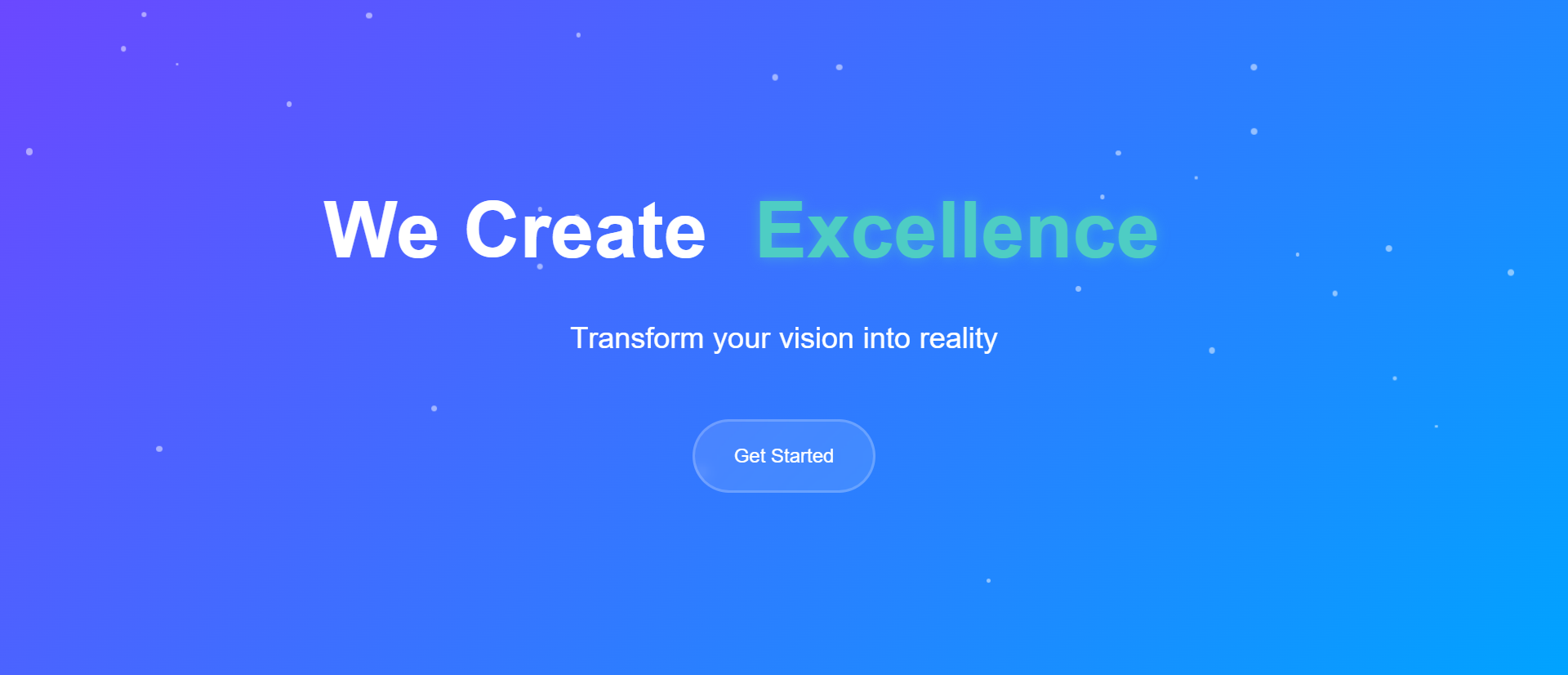
A SaaS company's landing page displays hero section with static headline: "Transform Your Business With Cloud Analytics" in 48px Helvetica, center-aligned, motionless. Visitors land, scan the fixed text in 0.8 seconds processing message at conscious level but feeling no emotional pull, scroll immediately seeking something more engaging below the fold.
Eye-tracking studies show these visitors' pupils barely dilate viewing static text—physiological indicator of low emotional engagement. The headline communicated information but triggered no attention capture, no curiosity spike, no memorable impression. Within 2.1 seconds, 73% have scrolled past without processing value proposition deeply.
A competing SaaS implements animated text intro: "Transform" fades in first (0.5 seconds), "Your Business" slides from left (0.3 seconds delay), "With Cloud Analytics" types character-by-character (0.6 seconds), each word animated sequentially creating micro-story unfolding. Motion triggers involuntary attention—visitors' eyes lock on movement, pupils dilate watching words appear, brains process message more deeply because animation forced sustained attention versus instant skip-scan.
Same message. Same value proposition. Different presentation. One headline gets ignored as background noise; the other commands attention through motion psychology making identical words feel dynamic, important, worth watching complete.
This article reveals why static text headlines fail to capture attention despite clear messaging and how animated text intros transform forgettable copy into attention-commanding introductions through motion, timing, and sequential revelation.
5 Critical Problems Static Text Headlines Create
1. Instant Processing Enables Immediate Dismissal
Human visual system processes static text almost instantaneously—research shows skilled readers comprehend simple headlines in 0.2-0.5 seconds. This speed seems beneficial but creates problem: When brains process information instantly, they can dismiss it instantly too. Headlines requiring no viewing time get no viewing time.
This instant-dismissal pattern particularly damages hero sections competing for attention: Visitors land with specific goal ("find pricing," "understand product"), scan hero headline in fraction of second determining relevance, and immediately proceed to next section if headline doesn't trigger strong interest. Static text enables this rapid rejection—no forced attention, no sustained viewing, no deep processing.
The Banner Blindness Extension: Banner blindness research shows users unconsciously ignore areas resembling ads (typically colorful rectangles in predictable locations). This blindness extends to static headlines following predictable patterns: Large bold text, center-aligned, above-the-fold triggers "this is marketing copy" recognition causing automatic filtering. Brains trained by millions of previous website visits recognize pattern: "Big static headline = skippable marketing message" and execute learned ignore behavior before conscious processing. Animated text disrupts this pattern—motion signals "this is different" preventing automatic categorization as ignorable marketing, forcing conscious attention before dismissal decision.
2. No Emotional Engagement or Excitement
Static text communicates rationally but fails to trigger emotional response. Neuroscience shows motion activates emotional centers (amygdala activation) while static text activates language centers (Broca's area). Emotional activation creates memory formation and engagement; rational processing enables quick evaluation and dismissal.
This emotional void matters for conversion: Purchases driven by emotion justified with logic—not vice versa. When headlines fail to create emotional response ("this excites me," "this surprises me," "I'm curious what happens next"), they can't initiate emotional buying journey regardless of rational value proposition quality. Bored prospects don't convert even when rationally convinced.
3. Forgettable Presentation Prevents Memory Formation
Memory research shows humans remember novel experiences far better than routine ones (Von Restorff effect). Static headlines feel routine—users encounter hundreds daily creating no distinction between your headline and thousand others read this week. Nothing memorable, nothing remarkable, nothing worth remembering.
Memory failure prevents brand recall: When visitor encounters your brand again days later, they don't remember previous visit because static headline created no memorable moment. Animated intros create "I remember watching those words appear!" moments—distinctive enough to encode memory, specific enough to trigger brand recognition later.
4. Single-Moment Message Delivery Lacks Buildup
Static headlines deliver complete message instantly: "Transform Your Business With Cloud Analytics" appears fully formed with no revelation progression. This instant delivery prevents storytelling, buildup, or curiosity creation—message arrives complete eliminating "what comes next?" anticipation.
Missing buildup reduces impact: Same message revealed progressively ("Transform" → "Your Business" → "With Cloud Analytics") creates mini-narrative with beginning, middle, end. Sequential revelation builds anticipation ("what word appears next?"), maintains attention through progression, and delivers payoff when complete message reveals. Static text can't create this journey—it's destination-only without travel.
5. Professional Designs Feel Generic and Template-Like
Ironic problem: Well-designed static headlines often look too professional—clean typography, perfect spacing, balanced composition—making them feel like generic templates users have seen countless times. Professional polish intended to communicate quality instead communicates "generic professional services website #7,429."
Template appearance damages credibility paradoxically: When design looks identical to thousands of other sites (centered headline, neutral colors, safe fonts), it signals "we used the same template everyone uses" suggesting business underneath might be equally generic. Custom animated intros signal investment in unique presentation differentiating from template crowd.
6 Solutions Animated Text Intros Deliver
1. Motion-Triggered Involuntary Attention
Human visual system evolved to detect motion—survival mechanism ensuring ancestors noticed approaching predators or prey. This involuntary attention to movement remains hardwired: When text animates, eyes reflexively track motion regardless of conscious intention. You can't ignore animation; you can ignore static text.
This involuntary capture works even for distracted visitors: User might land seeking specific information planning to ignore hero and scroll to navigation, but animated headline appearing pulls attention involuntarily. Motion hijacks attention forcing 2-4 seconds of viewing during animation—time for message to register consciously and emotionally versus instant skip of static alternative.
The Typing Animation Psychology: Typewriter/typing animations where text appears character-by-character prove especially engaging because they replicate human communication timing. When letters appear sequentially mimicking typing speed (40-60 characters per second), brains process it as "someone is communicating with me right now" versus "I'm reading pre-written text." This perceived real-time communication creates connection—feels like conversation not broadcast. Additionally, typing animations force precise viewing pace: Can't speed-read ahead, must watch letters appear at designed tempo ensuring message receives full intended attention duration. Static text permits any reading speed including skip-scan; typing animation controls pacing absolutely.
2. Sequential Word Revelation Creating Mini-Narrative
Quality animated intros reveal text sequentially: First word fades in, second word slides from left, third word scales up—each appearing in choreographed sequence. This progression creates micro-story with beginning (first word), development (middle words), conclusion (final word complete) making message feel like journey not statement.
Sequential revelation builds anticipation: After first word appears, visitors unconsciously wonder "what's next?" maintaining attention through animation sequence. This curiosity gap (content gap between what's revealed and what remains hidden) keeps eyes engaged versus static text revealing everything simultaneously eliminating progression curiosity.
3. Timing Control for Emphasis and Pacing
Animation enables precise timing control: Important words can appear slowly (emphasizing significance), secondary words quickly (maintaining momentum), dramatic pauses between phrases (creating impact). This timing control mimics skilled speaker's verbal pacing—pausing for emphasis, speeding through transitions, controlling rhythm for maximum impact.
Controlled pacing prevents speed-reading dismissal: Animated intros force viewers to consume message at designed pace ensuring key words receive intended attention duration. Visitors can't skim animated headlines the way they skim static text—must watch animation complete to receive full message, guaranteeing minimum exposure time for value proposition.
4. Visual Effects Creating Memorable Moments
Beyond basic appearance, animations include visual effects: Words can fade, slide, bounce, rotate, scale, split, reassemble creating visually distinctive moments. These effects serve dual purposes: Attract attention through motion while creating memorable visual signature differentiating your headline from generic static alternatives.
Effects enable brand personality expression: Conservative brand might use subtle fades and gentle slides; energetic brand might use bouncy scales and playful rotations; luxury brand might employ smooth elegant transitions. Animation style communicates brand personality before message content does—motion tonality creates emotional context for rational message.
5. Mobile-Optimized Engagement for Small Screens
On mobile devices where headlines shrink significantly, static text becomes harder to read and easier to ignore. Animation adds critical engagement layer: Even if text size reduced, motion attracts eyes ensuring headline noticed and read versus scrolled past unnoticed.
Mobile animations also reduce scroll speed: Visitors encountering animated headline pause watching animation complete before scrolling—automatic 2-4 second engagement versus instant scroll-through of static headlines. This enforced pause provides critical opportunity for message absorption on mobile where attention spans compress further.
6. A/B Testable Animation Parameters
Unlike static headlines where only text and styling vary, animated intros offer additional optimization dimensions: Animation speed, sequence order, effect types, delays between words, entrance directions—all testable variables potentially impacting engagement and conversion.
This optimization depth enables performance refinement: Test slow reveal (1.5 seconds total) versus fast reveal (0.8 seconds), fade-in effects versus slide-in effects, sequential word appearance versus simultaneous multi-word reveals discovering which animation characteristics maximize your specific audience engagement and conversion metrics.
See Animated Text Intro Examples
Discover how kinetic typography transforms static headlines into attention-commanding animated intros.
Explore Animation Demo →5 Industries Commanding Attention Through Animated Headlines
1. SaaS and Technology Products
Software companies use animated headlines on landing pages: Product names appearing letter-by-letter, value propositions revealed sequentially, key benefits animating in creating tech-forward impression matching software product modernness.
Result: Landing page bounce rates decrease 23% and time-on-page increases 167% when hero headlines use animation versus static text, indicating stronger initial engagement driving deeper exploration.
2. Creative Agencies and Design Studios
Design firms implement elaborate animated intros demonstrating creative capabilities: Words morphing between concepts, playful kinetic typography, brand-aligned motion design proving creative expertise through headline presentation itself.
Result: Inquiry rates from new website visitors increase 89% with animated headlines versus static portfolios, as animation demonstrates capabilities immediately rather than requiring portfolio browsing to assess creativity.
3. E-Commerce and Retail
Online stores use animated headlines for promotions: "50% OFF" appearing with energetic bouncy motion, "Limited Time" typing urgently, "New Arrivals" sliding in creating excitement around offers and launches.
Result: Promotional landing page conversion improves 56% with animated announcement headlines versus static sale banners, as motion creates urgency and excitement static text can't match.
4. Educational Platforms and Online Courses
Learning platforms animate course headlines: Subject names revealing progressively, learning outcomes appearing sequentially, transformation promises building through animated reveal creating aspirational narrative.
Result: Course enrollment from landing pages increases 78% with animated value propositions versus static course descriptions, as progressive revelation creates story arc engaging prospective students emotionally.
5. Event Promotions and Conferences
Event sites feature animated headline countdowns: Event name appearing dramatically, dates revealing with anticipation, key speakers or attractions animating in creating excitement and urgency around upcoming event.
Result: Early registration rates improve 112% with animated event headlines versus static announcement pages, as motion and sequential revelation create anticipation and FOMO driving immediate registration action.
4 Psychology Principles Behind Animated Text Effectiveness
1. Attentional Capture Through Motion Detection
Neuroscience research shows visual cortex prioritizes motion processing—evolutionary advantage ensuring ancestors noticed movement potentially indicating threats or opportunities. Modern brains maintain this prioritization: Motion captures attention involuntarily even when consciously focusing elsewhere.
This involuntary capture creates guaranteed viewing time: Static headlines compete with hundreds of page elements for voluntary attention and often lose; animated headlines hijack attention involuntarily ensuring message receives viewing regardless of visitor's conscious focus intention. Guaranteed attention = guaranteed message exposure = higher likelihood of engagement.
2. Curiosity Gap and Information Theory
George Loewenstein's information gap theory shows curiosity arises when people become aware of gap between what they know and want to know. Sequential text revelation creates this gap deliberately: First word appears creating partial information ("Transform..."), brain recognizes incomplete message ("transform what?"), curiosity drives sustained attention until gap closes (complete message revealed).
This curiosity maintenance prevents early abandonment: Static headlines deliver complete information instantly closing information gap immediately (no reason to continue watching); animated headlines maintain gap until animation completes forcing attention through entire sequence to satisfy curiosity about complete message.
3. Processing Fluency and Cognitive Ease
Psychological research shows people prefer information presented at comfortable processing speed—too fast causes overwhelm, too slow causes boredom. Animated headlines enable optimal pacing: Design reveal speed matching comfortable reading pace (40-60 words per minute for impactful messaging) ensuring message processes effortlessly.
Controlled pacing increases comprehension: When text appears at designed pace, brains process each word fully before next appears versus static text allowing speed-reading that sacrifices comprehension. Animation enforces processing fluency—comfortable pace ensuring high comprehension and positive emotional response to effortless understanding.
4. The Von Restorff Effect and Memory Formation
Von Restorff effect (isolation effect) shows distinctive items remembered better than common items. Animated headlines create distinctiveness: Among hundreds of static text exposures daily, animated intro stands out as different—distinctive enough to encode long-term memory versus forgettable static alternatives.
This memorability drives brand recall: Days after visit, users remember "the website where words animated in" even if they don't remember brand name—distinctive animation creates retrieval cue triggering memory of associated brand/product. Static headlines create no retrieval cue; nothing memorable means nothing retrievable later.
5 Mistakes That Sabotage Animated Text Implementations
1. Excessively Long or Slow Animations
Animations taking 5+ seconds to complete testing visitor patience, creating impatience and frustration: "Why is this taking so long? Just show me the message!" Slow reveals intended for drama instead create annoyance.
Solution: Total animation duration 1.5-3 seconds maximum: Long enough to create motion interest and forced viewing, short enough to prevent impatience. Test different speeds finding sweet spot where animation feels dynamic but not tedious. For mobile, compress to 1-2 seconds respecting faster mobile usage patterns.
2. Overly Complex or Distracting Effects
Headlines spinning, flipping, exploding, bouncing wildly creating visual chaos that obscures message: Motion so dramatic it becomes entertainment overshadowing content—visitors remember "crazy animation" but can't recall what message said.
Solution: Subtle purposeful animations prioritizing readability: Fades, slides, gentle scales, typing effects drawing attention without overwhelming. Motion should enhance message not compete with it. Test: "Can users easily read and comprehend message during animation?" If distraction prevents comprehension, simplify effects.
3. No Reduced Motion Accessibility
Ignoring users with vestibular disorders or motion sensitivity who enabled "prefers-reduced-motion" system setting requesting minimal animation. Forcing motion on these users causes nausea, dizziness, or discomfort—hostile user experience violating accessibility.
Solution: Respect prefers-reduced-motio