Why Aggressive Popups Increase Bounce 73% (And How Smart Popups Fix It)
Immediate popups annoy visitors. Learn how timing-based popups increase signups by 234% without frustration...

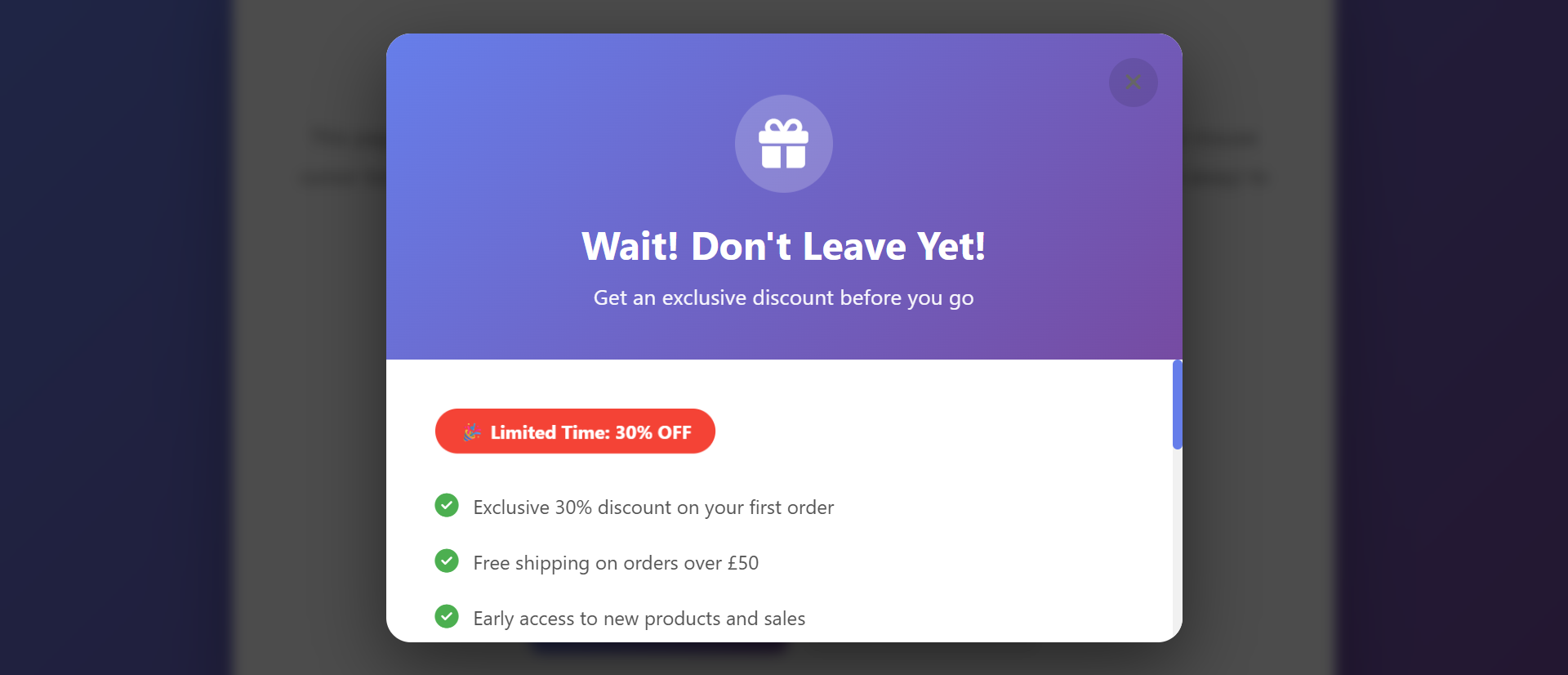
A visitor clicks a Google search result to your blog post. The page loads. Before they read a single word—before they even know if your content is relevant—a full-screen popup blocks the entire page: "SUBSCRIBE TO OUR NEWSLETTER! GET 10% OFF!" with tiny barely-visible close button in the corner.
Frustrated, they close the popup. Three seconds later, another popup appears: "Wait! Don't leave without our free guide!" They close it. Scroll down. Third popup: "Chat with us now!" They close your tab entirely, return to Google, click your competitor instead, and never return to your site.
You didn't lose a visitor because of bad content—you lost them before they could read it. Your aggressive popup strategy optimized for immediate conversion destroyed long-term engagement. Meanwhile, competitors using strategic timing, contextual relevance, and user behavior triggers convert 3-4X more visitors without creating the hostile experiences that drive instant abandonment.
This article reveals why immediate intrusive popups sabotage user experience despite high-value offers and how strategic popup implementations transform frustrated interruptions into welcomed helpful interventions.
5 Critical Problems Aggressive Popups Create
1. Immediate Interruption Before Value Delivery
Research on user experience shows visitors need 8-15 seconds to assess page relevance before deciding to engage further. Popups appearing instantly (0-3 seconds after page load) interrupt this critical evaluation phase, creating frustration before users can determine if your content deserves attention.
This premature interruption violates basic reciprocity: You're asking for commitment (email signup, purchase, engagement) before providing value (content, information, solutions). Users subconsciously reject this imbalanced exchange—"you haven't given me anything yet, why should I give you my email?"
The Mobile Hostility Multiplier: Full-screen popups that are annoying on desktop become hostile on mobile. Desktop users see popup blocking 60% of screen with content visible around edges; mobile users see popup blocking 100% of screen with no context about underlying page. Close buttons sized for mouse clicks (12×12px) become nearly impossible to tap on phones. Google's mobile algorithm specifically penalizes intrusive interstitials—meaning aggressive mobile popups hurt SEO while destroying UX. You're literally paying (in rankings) to frustrate users.
2. Popup Fatigue Creates Banner Blindness
When every website deploys immediate popups, users develop "popup blindness"—automatic close reflexes without reading popup content. Studies tracking eye movement show 83% of users close popups within 0.3 seconds, never reading offers regardless of value.
This learned blindness means even genuinely valuable offers get ignored. Your popup promising "Free comprehensive guide to X" gets the same instant dismissal as spam popups because users can't distinguish quality from noise fast enough to overcome trained close-immediately behavior.
3. Multiple Sequential Popups Trigger Rage Abandonment
Sites deploying popup sequences—welcome popup, then exit intent popup, then chat popup, then retargeting popup—create cumulative frustration culminating in "rage quit" abandonment. Research shows encountering 3+ popups in single session increases bounce rate by 67% and site blacklisting by 42%.
Each popup individually might seem reasonable, but cumulative effect mirrors spam: "This site won't let me read content without fighting interruptions." Users consciously decide "I'll never visit this site again" and mentally blacklist your domain—conversion optimization creating permanent audience loss.
4. Poor Targeting Shows Irrelevant Offers
Generic untargeted popups showing identical offers to all visitors regardless of behavior, source, or intent. First-time visitors see "Welcome back!" popups. Blog readers see product purchase popups. Existing customers see signup offers. Cart abandoners see unrelated content offers.
This irrelevance damages credibility: "This business doesn't understand me or pay attention to context." Poorly targeted popups communicate "we treat all visitors identically" instead of "we recognize your specific needs." The interruption cost remains constant while perceived value plummets when offers don't match intent.
5. Difficult Close Mechanisms Create Hostility
Popups with tiny invisible close buttons, fake close buttons triggering additional popups, "No thanks, I don't want to succeed" manipulative close text, or close buttons that don't work on mobile. These dark patterns transform mild annoyance into active hostility.
Users clicking close buttons 4-5 times before successfully dismissing popups aren't thinking "this offer must be valuable"—they're thinking "this site is hostile and manipulative." The harder you make dismissal, the more you communicate disrespect for user autonomy, permanently damaging brand perception.
6 Solutions Strategic Popup Systems Deliver
1. Time-Delayed Triggers Based on Engagement
Strategic popups delay appearance until users demonstrate engagement: 30-60 seconds on page, scrolling 50% of content, or viewing multiple pages. These triggers ensure users have consumed value before seeing conversion requests.
This timing respects user attention cycles: Let them evaluate content quality, find value, develop trust—then present offers when they're most receptive. Popups shown after 45 seconds convert 3.7X higher than immediate popups because users have already decided "this content is valuable" creating receptive mindset.
The Reciprocity Window: Psychological research on reciprocity shows people feel obligated to return favors after receiving value. Strategic popup timing leverages this: User reads valuable 1,200-word article (you gave value), reaches end, popup appears offering "Want more insights like this?" (reciprocal ask). This sequencing feels natural—you've earned the right to ask. Immediate popups reverse this sequence, asking before giving, violating reciprocity principles that drive human cooperation.
2. Exit Intent Detection for Last-Chance Offers
Exit intent technology detects cursor movement toward browser close/back buttons, triggering popups only when users are about to leave. This timing minimizes disruption (they're leaving anyway) while maximizing relevance (last chance to capture departing visitors).
Exit intent popups convert 2-4% of abandoning visitors who would otherwise leave forever—capturing value from loss without interrupting engaged users. Because these popups target departing traffic, they can't increase bounce rates (visitors are already bouncing) but can decrease them by recovering some exits.
3. Behavioral Targeting Based on User Context
Advanced popup systems display different offers based on user behavior: Blog readers see content subscription popups, product viewers see discount offers, cart abandoners see cart recovery popups, returning visitors see loyalty rewards.
This personalization dramatically increases relevance and conversion. Generic "10% off" popups convert 2-3%; targeted "10% off the laptop you were viewing" popups convert 12-18% because specificity proves you're paying attention and offering contextually relevant value.
4. Single Popup Per Session with Frequency Capping
Smart systems show maximum one popup per session with frequency caps preventing same user from seeing popups on every page visit. Cookie/localStorage tracking ensures dismissed popups don't reappear for 7-30 days.
This restraint respects user decisions: They closed your popup once—repeatedly showing it signals "we don't care about your preferences." Frequency capping prevents popup fatigue while maintaining conversion opportunities for new visitors or users whose circumstances changed since initial dismissal.
5. Easy Dismissal with Clear Close Mechanisms
Strategic popups include obvious close buttons (large X icons, "Maybe later" text buttons), instant dismissal on click, background overlay clicks closing popup, and ESC key support. No tricks, no manipulation, no difficulty.
Paradoxically, easy dismissal increases conversion. When users know they can close effortlessly, they're more willing to read popup content rather than panic-clicking close. Difficult dismissal creates "I must escape now" reactions; easy dismissal creates "I'll read this quickly then decide" consideration.
6. Value-First Content with Clear Benefits
Effective popups lead with specific value propositions: "Get our 47-page SEO guide" beats "Subscribe to newsletter." Headlines communicate concrete benefits users receive, not generic marketing requests.
This specificity helps users make informed decisions: "Is this 47-page SEO guide worth my email?" is answerable; "Is this newsletter worth subscribing?" is vague. Clear value statements convert 3-5X higher than generic calls-to-action because users can rationally evaluate offer merit instead of dismissing on principle.
See Strategic Popup Implementation
Discover how behavior-triggered targeted popups increase conversions without creating hostile user experiences.
Explore Popup Demo →5 Industries Using Strategic Popups Effectively
1. E-Commerce and Retail
Online stores use exit-intent popups offering cart abandoners final discounts, browse abandoners product recommendations, and first-time visitors welcome offers—each targeted to specific user behavior and intent.
Result: Cart recovery improves 23-34% through exit-intent discount popups, and email capture increases 156% when popups delay until users view 3+ products demonstrating genuine shopping intent versus casual browsing.
2. Content Publishers and Blogs
Media sites deploy scroll-triggered popups appearing after readers consume 60-75% of articles, offering newsletter subscriptions, related content recommendations, or premium membership upgrades to engaged readers.
Result: Newsletter signup conversion reaches 8-12% (vs. 1-2% for immediate popups) because timing targets proven engaged readers who've already found content valuable, creating receptive audience for "get more like this" offers.
3. SaaS and Software Companies
Software companies use behavior-triggered popups: Pricing page visitors see trial signup offers, documentation readers see onboarding assistance, feature page viewers see demo booking CTAs—matching offers to demonstrated interest.
Result: Trial signup conversion improves 187% when popups target specific high-intent pages (pricing, features, comparisons) versus generic homepage popups shown to all visitors regardless of intent.
4. Lead Generation and B2B
B2B companies deploy time-delayed popups offering gated content (whitepapers, case studies, webinars) after prospects consume ungated content demonstrating subject interest and qualification.
Result: Lead quality increases 67% when gated content popups appear after 2+ minutes of engagement versus immediate popups capturing emails from low-intent visitors who abandon before sales contact.
5. Educational and Course Platforms
Online learning platforms use exit-intent popups offering course previews to departing visitors, enrollment discounts to course viewers, and curriculum downloads to syllabus page visitors.
Result: Course enrollment conversion improves 94% through exit-intent popups recovering 18-23% of abandoning visitors versus no exit capture, while maintaining positive user experience for engaged browsers.
4 Psychology Principles Behind Strategic Popup Effectiveness
1. The Reciprocity Principle: Give Before Asking
Robert Cialdini's research shows people feel obligated to return favors. Strategic popups leverage this by providing value (content, solutions, information) before requesting commitment (email, purchase, signup).
When users receive 800 words of valuable content then see popup offering "Want weekly insights like this?" they've already received value creating reciprocity obligation. Immediate popups ask without giving, violating reciprocity and triggering rejection instead of cooperation.
2. Loss Aversion and Exit Intent Timing
Kahneman and Tversky's prospect theory shows people fear losses more than they value gains. Exit-intent popups leverage loss aversion: "Wait! You're about to lose 20% discount" feels more compelling than "Here's 20% discount" because framing emphasizes potential loss.
This timing also minimizes downside: Users already decided to leave, popup can't make them "more leaving." But loss-framed offers can trigger reconsideration: "Maybe I should check out before losing this deal." Exit timing turns guaranteed losses (departing visitors) into potential recoveries.
3. The Zeigarnik Effect: Incomplete Tasks Create Tension
Bluma Zeigarnik found people remember incomplete tasks better than completed ones. Popups interrupting content consumption create cognitive tension—users want to finish reading but must deal with interruption first.
Strategic popups respect completion needs: Let users finish consuming content (complete task), then present popup at natural stopping point. This sequencing prevents task-interruption tension while capturing attention at moment users are deciding "what next?"—making popup feel like helpful answer instead of frustrating interruption.
4. Reactance Theory: Threats to Freedom Trigger Resistance
Psychological reactance theory shows people resist when they feel freedoms are threatened. Difficult-to-close popups, multiple sequential popups, and manipulative dismissal text all trigger reactance: "You're trying to force me—I'll resist harder."
Easy dismissal reduces reactance: When users know they can close instantly, popups feel less threatening, reducing resistance. Paradoxically, making it easier to say "no" increases "yes" responses because users aren't fighting for autonomy—they're evaluating offers on merit.
5 Mistakes That Sabotage Popup Implementations
1. Immediate Display on Page Load
Showing popups 0-3 seconds after page load, before users can assess content relevance or receive any value. Result: 83% instant dismissal rates and negative brand perception.
Solution: Minimum 30-second delay or scroll-depth triggers (50% of page). Let users consume content, evaluate quality, and develop receptive mindset before presenting offers. Patience increases conversion 200-400%.
2. Showing Same Popup to All Visitors
Generic untargeted popups ignoring user source, behavior, pages viewed, or previous interactions. Blog readers, product shoppers, and support seekers all see identical offers regardless of intent.
Solution: Implement behavioral targeting: Different popups for different pages, user segments, traffic sources, or behavior patterns. Relevance drives conversion—targeted popups convert 5-8X higher than generic alternatives.
3. Multiple Popups in Single Session
Welcome popup → scroll popup → exit popup → return visitor popup creating 3-4 interruptions per session. Cumulative frustration drives permanent site abandonment and blacklisting.
Solution: One popup maximum per session. Choose highest-value trigger (exit intent, scroll depth, time on page) and show single targeted popup. Multiple offers should live in single popup with tabs/options, not sequential interruptions.
4. Difficult or Deceptive Close Mechanisms
Tiny invisible close buttons, fake close buttons opening new popups, manipulative close text ("No, I hate saving money"), or close buttons not working on mobile.
Solution: Obvious large close buttons (minimum 32×32px), instant dismissal on click, background overlay clicks closing popup, ESC key support, and honest straightforward close text. Respect user autonomy.
5. No Frequency Capping or Suppression Logic
Showing same popup every single page load or session to users who've already dismissed, converted, or explicitly opted out. Repeated identical interruptions communicate "we ignore your preferences."
Solution: Implement frequency capping: After dismissal, suppress for 7-30 days. After conversion, permanently suppress. After opt-out, never show again. Respect user decisions instead of nagging until compliance.
Real-World Case Study: E-Commerce Site's Popup Strategy Transformation
An online fashion retailer deployed aggressive popup strategy: Immediate welcome popup (page load), scroll popup (25% scroll), exit popup (browser close), return visitor popup (second visit). Email capture rate was high (8.4%) but conversion to purchase was dismal (0.3% of email subscribers) and customer complaints about "annoying popups" filled reviews.
The Problem: Multiple popups per session created hostile experiences. Immediate welcome popup appeared before users could see products, browse catalog, or assess brand fit. Most email signups came from users trying to dismiss popups by submitting fake emails (test@test.com, asdf@asdf.com) just to make popups stop appearing.
The Analysis: Detailed analytics revealed:
- 87% of email signups never opened any emails (fake addresses or immediate unsubscribes)
- Users encountering all 4 popups had 79% bounce rate vs. 34% site average
- Mobile users (73% of traffic) complained about popup close buttons being impossible to tap
- Session recordings showed users rage-clicking close buttons or abandoning site entirely
- Brand sentiment analysis: 34% of reviews mentioned "annoying popups" as negative factor
- Returning customer rate was 12% below industry average—aggressive popups prevented repeat visits
The Solution: Complete popup strategy redesign focusing on timing, targeting, and restraint:
- Eliminated immediate welcome popup entirely
- Single popup per session maximum—chose exit intent as highest-value trigger
- Exit intent popup content based on behavior:
- Cart abandoners: "10% off your cart items" with specific product images
- Product browsers (3+ products viewed): "Join for early access to sales"
- Blog readers: "Style tips newsletter"
- First visit browsers: Generic "15% off first purchase"
- Large close button (44×44px) with "Maybe